

CONFESS TO GOD
The spiritual importance of confessing sins to God on a regular basis.
It is important to regularly confess your sins to God because your unconfessed sins cut off your communication with God until you sincerely repent and confess your sins to God (Psalms 66:18; Isaiah 59:1-2; Matthew 6:12; Mark 11:25; 1 John 1:9). The best biblical model of confessing sins to God is Psalm 51, when King David prayed to confess his sins of having an affair with Bathseba and killing her husband. See James L. Nicodem, Prayer Coach: For All Who Want to Get Off the Bench and onto the Praying Field (Wheaton IL: Crossway Books, 2008), 99-117.

Confess your sins and ask God for mercy and forgiveness.
Review and identify your sins.
David started his prayer asking God for mercy and forgiveness for his specific sins after the prophet Nathen called David out on his sins (2 Samuel 12:5-7), “Blot out my transgressions. Wash away my inequity and cleanse me from my sin. For I know my transgressions, and my sin is always before me” (Psalm 51:1-3 NIV). However, Christians tend to ignore, excuse, rationalize, redefine, or blame their sins on someone else. Sometimes Christians don’t recognize their sins just as when David asked a rhetorical question in another of his psalms, “Who can discern his errors? Forgive my hidden faults” (Psalm 19:12). Although it is proper to confess sins you do not remember, your undetected and unconfessed sins may also cut off your prayers to God. The best way to identify and confess your sins is to periodically (once or twice a week) review your life, with the Holy Spirit’s help, to identify sins. Sin is both doing things humans should not do and failing to do things humans should do. Sin includes any thought, word, deed, or state of being that fails to meet or “misses the mark” of God’s standard of holiness and perfection (Romans 7:13-25).
Sins of commission.
The following is a detailed list of sins of commission from the Bible to help you identify your sins that you may not otherwise recognize.
Arrogance (Romans 1:30)
Astrology (Deuteronomy 18:9-13; Isaiah 47:13-14)
Blasphemy (Mark 3:29)
Boastfulness (Romans 1:30)
Causing someone else to sin (Mark 9:42)
Consulting the dead (Deuteronomy 18:11)
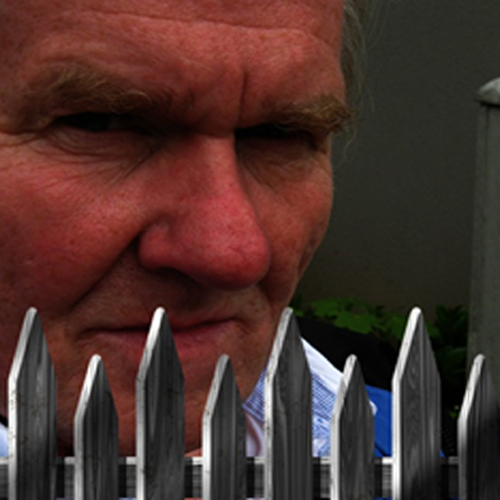
Don’t covet your neighbor’s house and possessions (Exodus 20:17).
Coveting (Exodus 20:17)
Debauchery (Galatians 5:19)
Deceit (Romans 1:29; 1 Peter 2:1)
Depravity (Romans 1:29)
Discord, dissensions, and factions (Galatians 5:20)
Disobeying parents (Romans 1:30)
Divination (Deuteronomy 18:10)
Drunkenness (1 Corinthians 6:10; Galatians 5:21)
Envy (Romans 1:29; 1 Peter 2:1)
Fits of rage (Galatians 5:20)
Gossip (Romans 1:29)
Greed (Romans 1:29)
Hating a brother or sister (Galatians 5:20; 1 John 4:20)
Hating God (Romans 1:30)
Homosexual behavior (Romans 1:26-27; 1 Corinthians 6:9; 1 Timothy 1:10)
Hypocrisy (1 Peter 2:1)
Idolatry (Exodus 20:4, 34:17; Galatians 5:20)


Don’t be full of malice (Romans 1:29).
Malice (Romans 1:29; 1 Peter 2:1)
Misusing God’s name (Exodus 20:7)
Murder (Exodus 20:13; Romans 1:29)
Perjury (1 Timothy 1:10)
Selfish ambition (1 Corinthians 6:10; Galatians 5:20)
Sexual immorality, impurity, and orgies (Romans 1:24; 1 Corinthians 6:9, 12-20; Galatians 5:19, 21; 1 Timothy 1:10)
Slander (Romans 1:30; 1 Timothy 6:10; 1 Peter 2:1)
Slave trading (1 Timothy 1:10)
Sorcery (Deuteronomy 18:10)
Stealing (Exodus 20:15; 1 Corinthians 6:10)
Strife (Romans 1:29)
Witchcraft (Deuteronomy 18:10, Galatians 5:20)
Wrong teaching (Matthew 23:15)

If you won’t forgive others, God won’t forgive you (Matthew 6:15).
Sins of omission.
The following is a detailed list of sins of omission from the Bible to help you identify your sins that you may not otherwise recognize.
Failing to believe and trust in Jesus Christ (John 3:16-18, 6:29)
Failing to forgive (Matthew 6:15)
Failing to give thanks to God (Psalm 105:1; Romans 1:21)
Failing to glorify God (Psalm 34:3; Romans 1:21)
Failing to honor God with your possessions and life (Proverbs 3:9; John 5:23)
Failing to honor Jesus Christ the Son (John 5:23)
Failing to honor one’s parents (Exodus 20:12)
Failing to honor others above yourself (Romans 12:10)
Failing to keep your spiritual fervor or zeal or intensity for God (Romans 12:11)
Failing to live at peace with everyone (Romans 12:18)
Failing to love God with all your heart, soul, mind, and strength (Deuteronomy 6:4; Mark 12:30)
Failing to love your neighbor as yourself (Mark 12:31)
Failing to practice hospitality (Romans 12:13)
Failing to repay debts (Romans 13:7)
Failing to serve God (Deuteronomy 6:13; Romans 12:11)
Failing to share with God’s people who are in need (Romans 12:13)
Failing to trust God (Proverbs 3:5; Isaiah 26:4)
Failing to trust and believe in Jesus Christ (John 14:1)
Failing to worship and fear (have a health respect for) God (Deuteronomy 6:13)
Acknowledge the consequences of your sin, how you sinned against God, express remorse for your sin, and repent from your sin.
When you confess your sins to God, you should acknowledge the consequences of your sin and how it harmed you and others. This will keep you from minimizing your wrongdoing or cheapening the grace that forgiveness requires. Express remorse for those you hurt with your sin. The worst consequence of your sin is that you sinned against God and damaged your relationship with God. As David confessed, “Against you (God), you only, have I sinned and done evil in your sight” (Psalm 51:4 NIV). Repentance means a change in your mind that causes a change in your sinful behavior.
Request that God forgive your sin and cleanse you from your sin.
If you admit your sin and repent, God will forgive your sin because God is faithful to his promises (Jeremiah 31:34; 1 John 1:9; Hebrews 10:23) and is just for doing so because Jesus Christ fully paid the spiritual death penalty for your sin by sacrificing his life upon the cross (Romans 3:21-26). The apostle John confirmed God’s promise to forgive your sin and cleanse you from your sin, “If we confess our sins, he (God) is faithful and just and will forgive our sins and purify us from all unrighteousness” (1 John 1:9 NIV). When God purifies you, he removes your sin’s stain, which is the residual sense that even though God forgave your sin, you may feel that you are still unworthy or hopeless or unusable or a huge disappointment to God.

Consider confessing your sin to a trusted Christian.
You may wish to confess your sins to other trusted Christians to bring you an assurance of forgiveness and encouragement to overcome sin. James encouraged this mutual confession of sins in prayer, “Therefore confess your sins to each other and pray for each other so that you may be healed. The prayer of a righteous person is powerful and effective” (James 5:16 NIV). Wayne Grudem, Systematic Theology: An Introduction to Biblical Doctrine (Grand Rapids, MI: Zondervan, 1994, Appendix 6 and glossary copyright 2000), 385.
The unforgivable sin.
The unforgivable sin is not a single action or inaction, but a continuous ongoing willful rejection of God with no regrets. Sometimes unforgivable sin is referred to as “blasphemy against the Holy Spirit” (see Matthew 12:31-32; Mark 3:29-30; Luke 12:10; Hebrews 6:4-6, 10:26-27). This describes people who continue in their evil ways and also approve of others who do the same (Romans 1:32). If you are worried about committing the unforgivable sin, your worry is proof that you have not rejected God because you still fear or have a healthy respect for God. Those people who spend eternity separated from God in hell do so because they willingly, knowingly, and continuously rejected God during their lifetime. The apostle John referred to this as the “sin that leads to death” (1 John 5:16 NIV), and distinguished this sin from “sin that does not lead to death, you should pray and God will give them life. I refer to those whose sin does not lead to death. There is sin that leads to death. I am not saying you should pray about that. All wrongdoing is sin, and there is sin that does not lead to death. We know that anyone born of God does not continue to sin; the One who was born of God (Jesus) keeps them safe, and the evil one cannot harm them” (1 John 5:16-18 NIV). Therefore, those who refuse forgiveness through belief and trust in Jesus Christ will spend eternity separated from God’s grace and love. Those who genuinely repent of their sin and desire and seek God’s forgiveness can be absolutely certain that God will never reject and banish them from his presence for eternity. See also Grudem, Systematic Theology: An Introduction to Biblical Doctrine, 506-509.