What is a miracle?
Lee Strobel’s preferred definition of a miracle is that “offered by the late Richard L. Purtill, professor emeritus of philosophy at Western Washington University: ‘A miracle is an event
(1) brought about by the power of God that is (2) a temporary (3) exception (4) to the ordinary course of nature (5) for the purpose of showing that God has acted in history.’” Strobel, The Case for Miracles, 27 citing Richard L. Purtill, “Defining Miracles,” in In Defense of Miracles: A Comprehensive Case for God’s Action in History, Editors R. Douglas Geivett and Gary R. Habermas (Downers Grove, IL: IVP Academic, 1997), 72.
What is not a miracle?
There are at least five unusual events that are not miracles.
The anomaly of the flying bumblebee.
Anomalies: An anomaly is an unexplained freak of nature with an observable pattern that cannot not be explained by science without difficulty. For example, scientists previously had a difficult time explaining how a bumblebee can fly with its wings that are too small for its body. The scientists later discovered that a bumblebee can fly because it has a kind of “power pack” that makes up for its small wings. It is not a miracle because of the observable pattern that all bumblebees can fly.

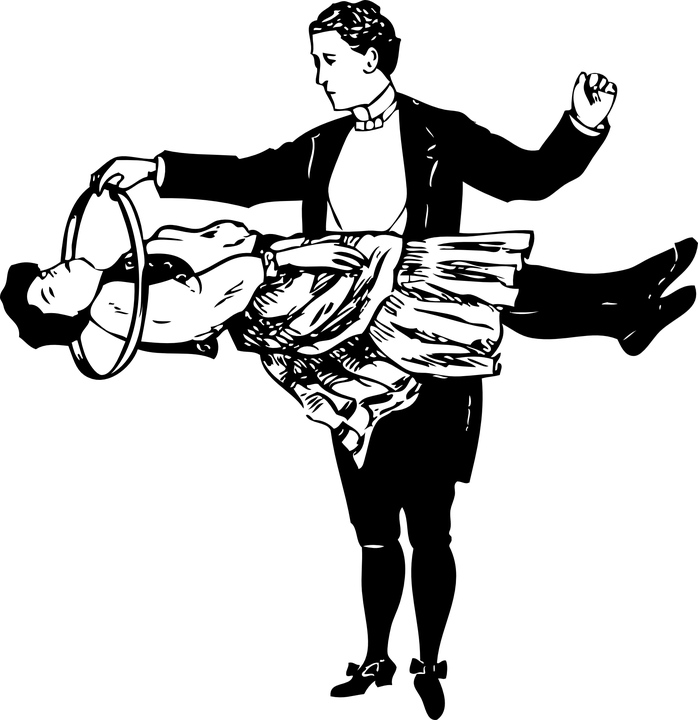
The ring around levitating woman magic trick.
Magic: The most familiar kind of unusual event is magic, which is based upon human sleight of hand or misleading the mind. A skilled magician can make his or her audience think he or she can make a woman levitate, a vehicle appear and disappear on stage, identify the card you selected out of the deck of cards, and predict what your answers to questions will be. When a magician explains his or her tricks, we ask, “Why didn’t I think of that?” Since magic is performing a trick under human control, it is not a miracle. Only God can perform a miracle.
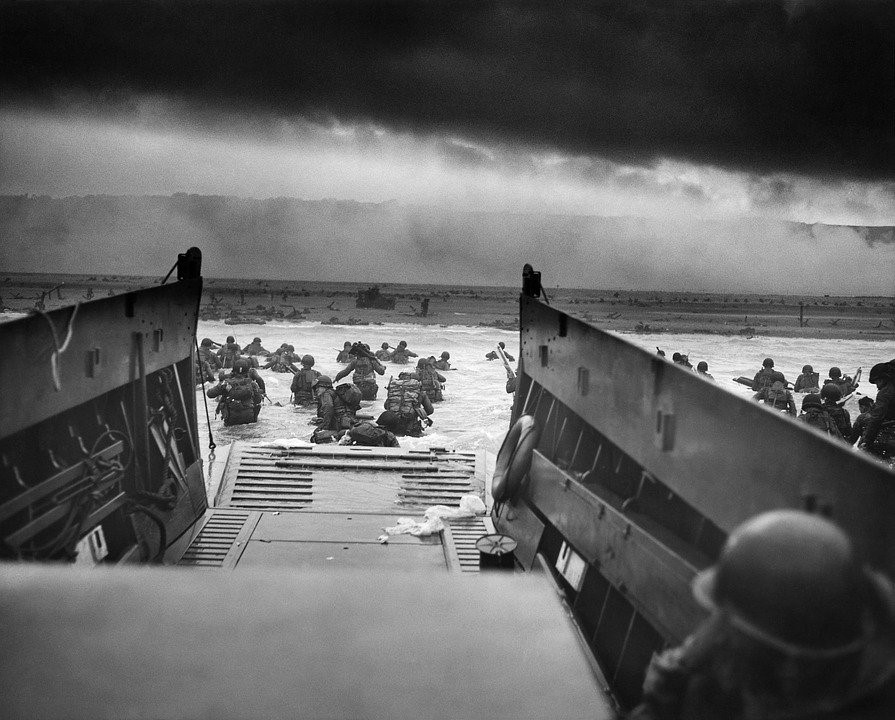
The providence of the fog concealing the Allied Forces at Normandy.
Providence: Sometimes religious people loosely refer to unusual events as miracles when they should more accurately describe them as providence. Providential events are natural events caused by God in a spiritual context indirectly, not directly. In other words, God uses natural laws to accomplish them. Examples of providential events include answered prayer and unlikely beneficial events. They may be remarkable and increase faith, but they are not supernatural miracles. For example, in World War II, the fog at Normandy, France was providential because it helped conceal the Allied Forces attack against the evil Nazi regime. Since the fog could be explained by natural law, it was not a miracle. However, God may have controlled or directed the fog. An example of a miracle in this situation would be bullets bounding off the chests of the young Allied soldiers as they overtook the beach at Normandy.
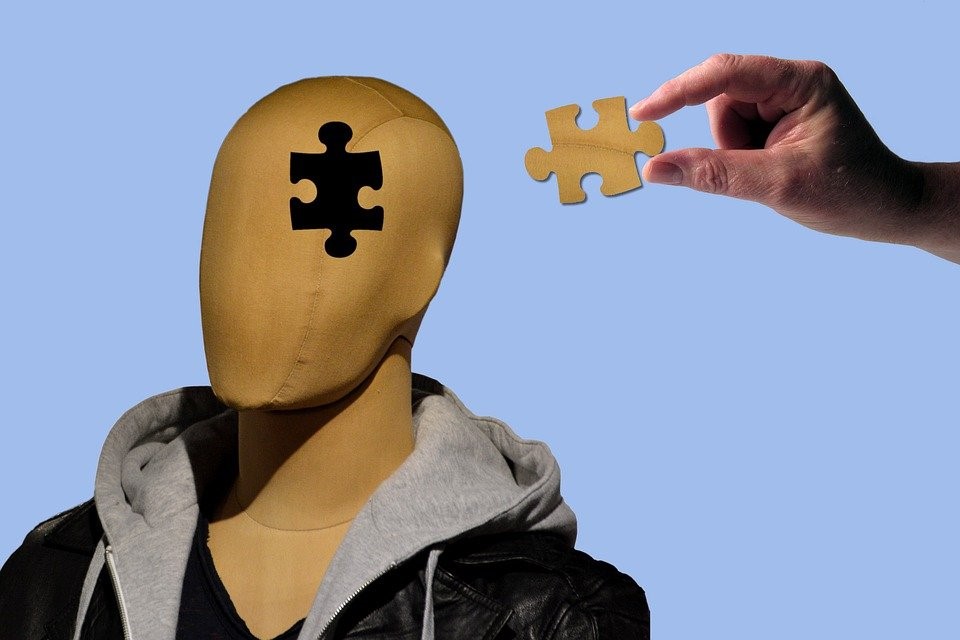
Psychological therapy may cure an allergy, pain, or other physical ailment.
Psychosomatic: Some medical conditions such as allergies or pain can be cured or healed through psychosomatic mind over matter or physical body. This may include the placebo effect of belief in receiving medicine or other treatment, which in reality do not affect the medical condition. These psychosomatic cures are psychological, not supernatural, and should not be confused with miracles.
Some people worship Satan.
Satanic signs: Since God exists, it is possible that other spiritual beings exist and may cause unusual events. According to a Christian worldview, Satan and demons exist, but have limited power. From a logical perspective, Satan and demons have limited power because it is impossible to have two infinite beings that have ultimate control and perform miracles. Since God is infinite, no other being can be infinite and perform miracles at the same level and power of God. Norman L. Geisler and Frank Turek, I Don’t Have Enough Faith to Be an Atheist, (Wheaton, IL: Crossway Books, 2004), chapter 8, 210-215.